WHY Comes First: How Siblings Define a “Good Life” After Mom & Dad
SH
WHY Comes First: How Siblings Define a “Good Life” After Mom & Dad
You’re being asked to make decisions that feel impossibly big.
Where your sibling will live.
Who will support them.
What kind of life they’ll have after your parents are no longer in the picture.
And every option feels loaded.
If you choose wrong, you’re afraid of:
- trapping your sibling in a life that’s too small
- burning yourself out trying to maintain something unsustainable
- making a decision you can’t undo
So you do what most sibling caregivers do:
You jump straight to logistics.
You research housing.
You call agencies.
You apply for programs.
You ask professionals what they recommend.
But underneath all of that is a quiet, heavy question you haven’t been given space to answer:
“What kind of life are we actually trying to build?”
This is where sibling caregiver support usually breaks down — not because siblings don’t care, but because no one tells them to start with WHY.
This guide will help you define what a “good life” actually means for your brother or sister and for you — so every decision that follows is grounded, intentional, and sustainable.
This is the same starting point I use with siblings who are terrified of making the wrong move. Once the WHY is clear, the chaos settles. Decisions stop feeling random. And for the first time, things start to make sense.

Why Siblings Skip the Vision Question (and Pay for It Later)
Most siblings aren’t avoiding the WHY because they don’t care.
They skip it because:
- It feels abstract when everything feels urgent
- No professional ever asks them this question
- They’re afraid of getting it “wrong”
- They assume they’ll figure it out as they go
So they default to:
- whatever housing has an opening
- whatever program the case manager mentions
- whatever support seems easiest in the moment
Here’s what happens when the WHY isn’t defined:
- Housing works on paper but doesn’t match your sibling’s needs
- Services exist but don’t actually reduce your workload
- You’re coordinating endlessly without feeling stable
- You keep second-guessing every decision
- You end up rebuilding the system later — at a much higher cost
Skipping the WHY doesn’t save time.
It creates years of backtracking.
Sibling caregiver support works best when vision comes before logistics.

What “WHY” Actually Means (and What It Doesn’t)
Let’s clear something up.
Defining the WHY is not:
- a rigid five-year plan
- a fantasy version of life with unlimited resources
- a promise that everything will go smoothly
Defining the WHY is:
- clarifying what matters most
- identifying non-negotiables
- naming what must be protected — for your sibling and for you
Think of it as a decision filter.
Once the WHY is clear, every recommendation, option, and opportunity gets measured against it.

The Core Question Siblings Need to Answer
Here is the actual WHY question:
“What does a good life look like for my sibling — and what does sustainable look like for me?”
Both parts matter.
A life that works for your sibling but destroys you is not sustainable.
A life that protects you but limits your sibling unnecessarily isn’t right either.
Sibling caregiver support lives in the intersection of those two truths.

How to Define a “Good Life” for Your Sibling
Start here — not with programs or housing.
Ask yourself:
Daily Life
- What makes your sibling feel safe?
- What brings them joy or calm?
- Do they need structure, flexibility, or a mix of both?
- What routines help them thrive?
Independence & Support
- What can they do independently now?
- Where do they genuinely need support?
- What level of assistance preserves dignity rather than dependency?
Environment
- Quiet or busy?
- Familiar or new?
- Close to family or more independent?
- Predictable or varied?
Relationships
- Who matters most to them?
- What relationships should be preserved or strengthened?
- How important is community connection?
This isn’t about perfection.
It’s about fit.
The Part Siblings Forget: Defining Sustainability for YOU
Here’s where many siblings feel guilty — but shouldn’t.
You also need to answer:
- How much hands-on involvement can I realistically maintain?
- What does burnout look like for me — and how do I prevent it?
- What boundaries must exist for me to keep my own life intact?
- What role do I want long-term: daily manager or strategic leader?
Ignoring these questions doesn’t make them go away.
It just guarantees resentment later.
Sibling caregiver support only works when your capacity is respected, not overridden.

Turning the WHY Into a Clear Vision Statement
Once you’ve reflected, distill it into a short statement.
Not a paragraph.
Not a manifesto.
Just clarity.
Examples:
- “A calm, structured life in a home of his own, with consistent support — where I oversee but am not the daily caregiver.”
- “A community-based life with meaningful routines, paid support, and room for growth — without me being on call 24/7.”
- “Safety, dignity, and connection first — with flexibility as needs change over time.”
This becomes your anchor.
When someone suggests:
- a group home
- a service model
- a housing option
- a staffing structure
You ask one question:
“Does this move us closer to the life we’re trying to build?”
If the answer is no, you don’t need to debate it.

How the WHY Protects You From Bad Advice
Every professional has a lens:
- lawyers focus on legal risk
- case managers focus on program rules
- providers focus on their service
None of them are wrong — but none of them are holding the whole picture.
Your WHY does that.
It allows you to say:
- “That program doesn’t fit our vision.”
- “That housing option doesn’t support the daily life we want.”
- “That level of involvement isn’t sustainable for me.”
That’s not being difficult.
That’s being a responsible sibling caregiver.
Crisis Version: What If You Don’t Have Time for Vision Work?
Even in crisis, you still start with WHY — it just gets smaller.
3 Questions for Crisis WHY:
- "What has my sibling's support system looked like to this point?"
- "Is that lifestyle what we want to continue?"
- “What does safe and stable look like for the next 6 months?”
You’re not defining the next decade.
You’re defining the next step.
Skipping this still leads to rushed decisions you’ll undo later.

Common Fears (and the Truth)
“What if I define the wrong vision?”
There is no permanent wrong answer. Needs change. Capacity shifts. The WHY evolves.
A framework adapts — chaos doesn’t.
“What if my sibling can’t communicate what they want?”
Vision is built from history, patterns, joy, distress, and dignity — not just words.
You know more than you think.
“What if other siblings disagree?”
Clarity doesn’t eliminate disagreement — it gives you something concrete to discuss instead of endless opinion-sharing.

What You’ve Learned
- Why sibling caregiver support must start with WHY
- How defining a “good life” prevents years of backtracking
- Why your sustainability matters just as much as your sibling’s
- How a clear vision protects you from bad-fit decisions
- How the WHY becomes the foundation for WHERE, WHAT, WHEN, and WHO
Siblings who feel confident later are not the ones with the most resources.
They’re the ones who got clear early.
Ready to Clarify Your WHY?
Knowing the question and answering it are two different things.
In a 30-minute strategy session, we will:
- Define your sibling’s “good life” in practical terms\
- Clarify what sustainability looks like for you
- Identify which decisions should wait — and which shouldn’t
- Set the foundation for every next step
BOOK YOUR FREE STRATEGY SESSION
Limited to 3 sibling caregivers per month, claim your spot today.
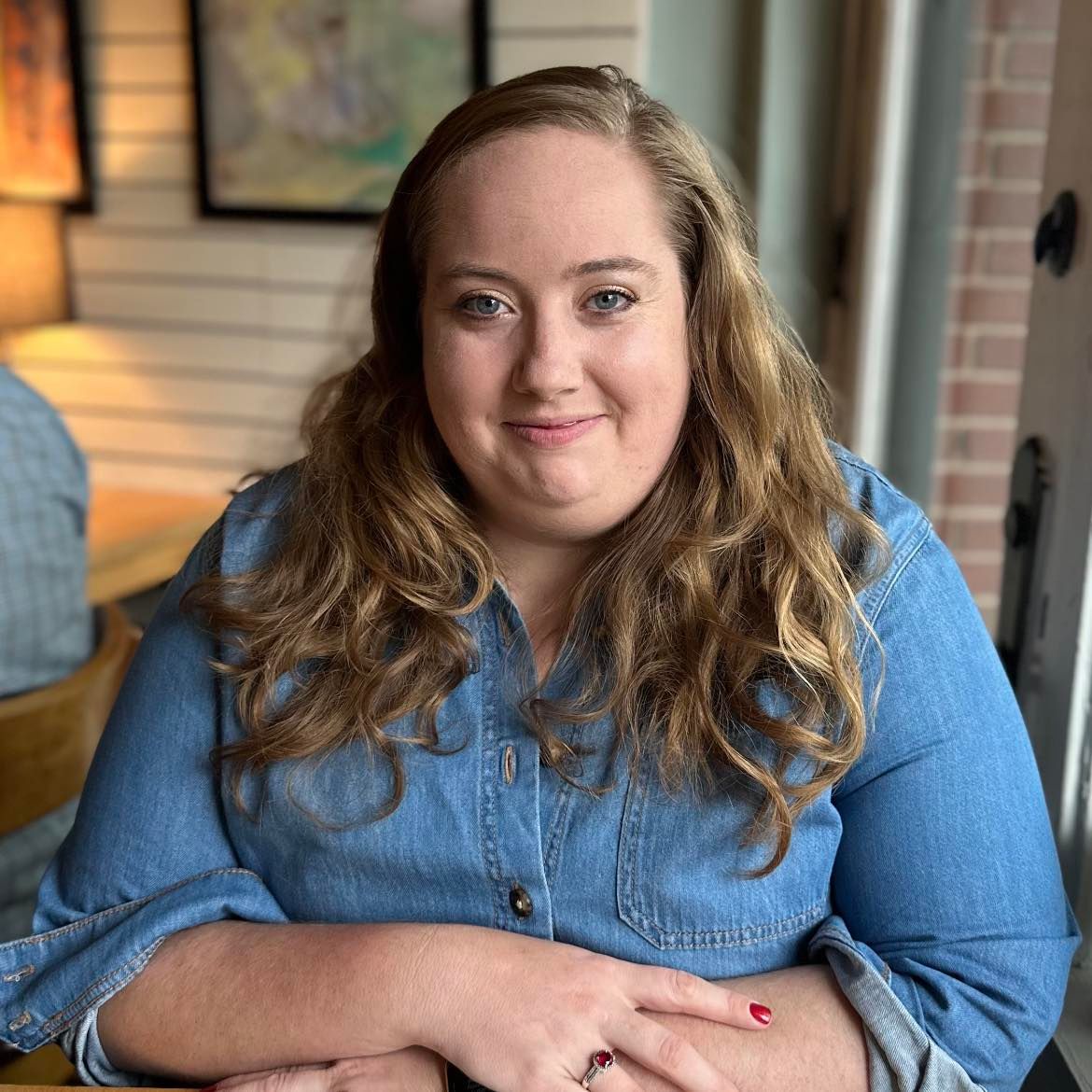
About the Author Samantha Harrison
Samantha Harrison is the founder of Momentum Family Strategies™ and a disability services consultant with 13+ years of experience helping Kentucky families access Medicaid waivers, build self-directed support systems, and recruit caregivers who stay.
Her work centers on one mission: making sure families aren’t forced to navigate complex systems without support.
Too many people are left facing long waitlists, confusing rules, and life-changing decisions without the right support.
Samantha founded Momentum to change that.
About Momentum Family Strategies
At Momentum Family Strategies™, we help siblings and aging parents navigate Life After Mom & Dad™—bringing clarity, steady guidance, and practical next steps to families who’ve been trying to hold everything together alone.
How Momentum Helps
Our approach blends strategic navigation, hands-on support, and practical problem-solving so families can:
- Get straight answers instead of mixed messages
- Move forward with confidence instead of crisis
- Build support systems that last—before something urgent happens
When the stakes are high, families deserve more than Google searches and guesswork. You deserve a partner.
If you’re ready for steady guidance, clearer options, and support that moves your family forward, we’d love to connect.