Do My Parents Have to Die Before I Get Services? How Lily and Her Father Secured the Support She Needed
SH
Meet Lilly
Lily had been on the waiting list for Kentucky disability services for years. Her dad was getting older, and there wasn’t a backup plan for who would take over when he no longer could. As an adult, she needed a residential level of support, but she couldn’t access it.
When her father’s health began to decline, the situation became painfully clear. If something happened to him before she received services, she could be pushed into a mental health crisis that led straight to institutional care. It was a possibility he feared every day.

A System That Moves Too Slowly
Lily needed more than a "placement". She needed time to adjust, support to build skills, and a transition plan that respected how she learned best. Her life had always been shaped by self-direction and individualized support. But after years on a waitlist and a rapid shift in her father’s health, they were running out of time.
Their questions kept growing heavier:
What happens if her father can no longer care for her?
Would she have to wait until he passed away before qualifying?
Was there any way to avoid a crisis that everyone could see coming?

Searching for Options
Her father did everything possible to help her live a good life.
He stayed on top of the forms.
He explored private-pay services, even though very few were within reach.
He checked her waitlist status every year, hoping for movement.
Nothing changed.
Eventually, he reached out for help to figure out whether he had missed anything.

The Misunderstanding That Stops Too Many Families
As we talked through his declining concerns, it became clear that he was no longer able to provide the quality of support Lily need to be healthy, safe, and well. Because he was no longer physically able to meet her needs, Lilly did qualify for emergency residential services.
He had been told something that many families hear: that a person only qualifies after a parent passes away.
That is not accurate.
If the primary caregiver’s health is declining and there is no one else who can safely step in, the adult with developmental disabilities may qualify for emergency services while the caregiver is still alive.
This matters. Families deserve to know this before they are in crisis.

What Finally Worked
Once he understood the criteria, we completed the emergency residential application together. By the end of the year, Lily was approved.
Today, she is using self-direction to build a support team, developing skills for adulthood, and taking the time she needs to decide whether residential care is right for her. If she chooses to continue self-direction after her father is gone, she will have the structure and support to do that too.
Most importantly, her father is still here to help her through each step.
They are not waiting for disaster anymore. They are building a future she can grow into.

Peace of Mind
For years, Lily and her dad lived in limbo: waiting for services, waiting for clarity, waiting for something to change.
Now, they finally have a stable path forward. Instead of bracing for what will happen when he can no longer care for her, they can focus on their time together and make decisions without fear.
Many families have heard the same misconception Lily’s father was told. The truth is simple: emergency residential services can sometimes be approved long before a parent passes away. Knowing that can change everything.
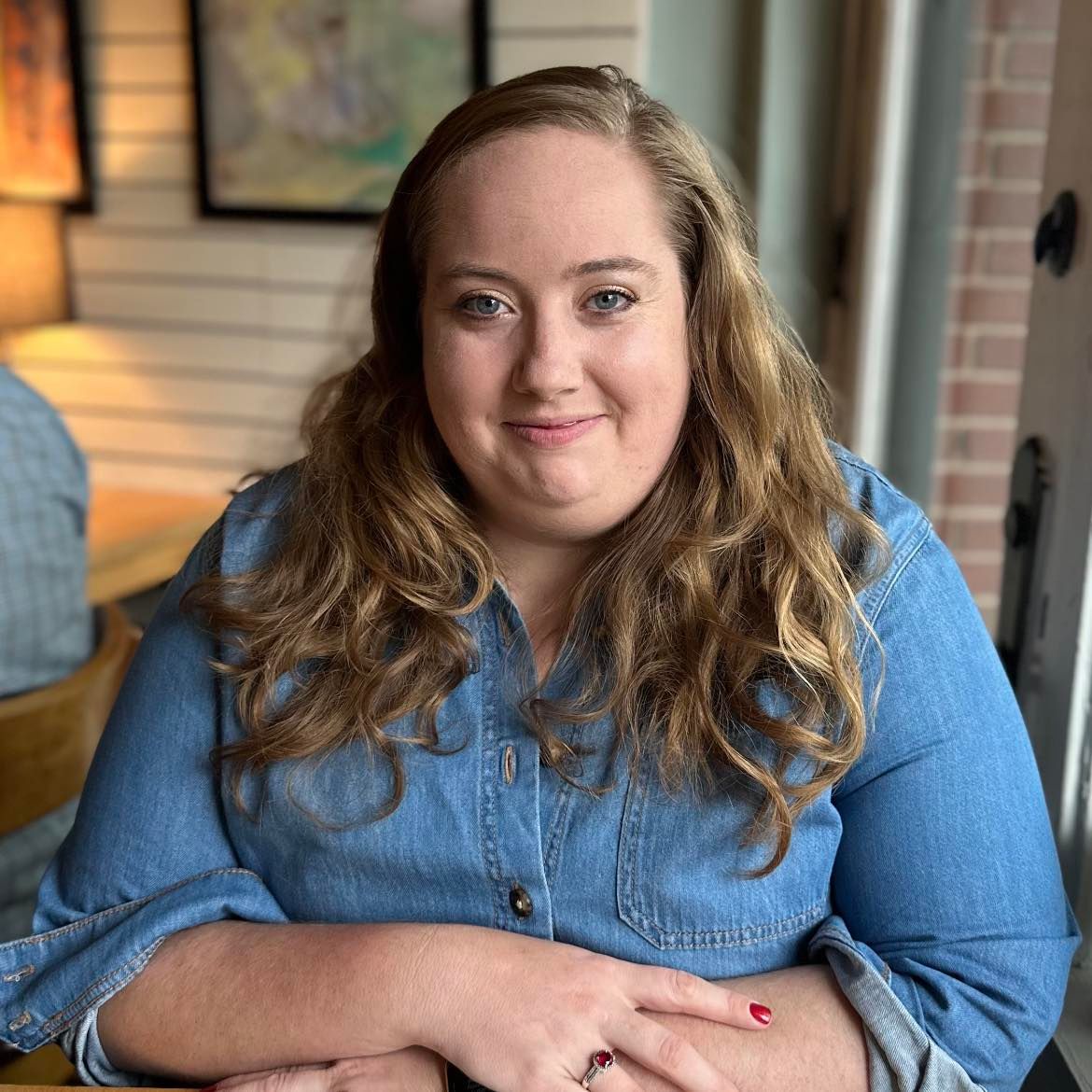
About the Author Samantha Harrison
Samantha Harrison is the founder of Momentum Family Strategies™ and a disability services consultant with 13+ years of experience helping Kentucky families access Medicaid waivers, build self-directed support systems, and recruit caregivers who stay.
Her work centers on one mission: making sure families aren’t forced to navigate complex systems without support.
Too many people are left facing long waitlists, confusing rules, and life-changing decisions without the right support.
Samantha founded Momentum to change that.
Meet the Team Behind Momentum
At Momentum Family Strategies™, we help siblings and aging parents navigate Life After Mom & Dad™—bringing clarity, steady guidance, and practical next steps to families who’ve been trying to hold everything together alone.
How Momentum Helps
Our approach blends strategic navigation, hands-on support, and practical problem-solving so families can:
- Get straight answers instead of mixed messages
- Move forward with confidence instead of crisis
- Build support systems that last—before something urgent happens
- When the stakes are high, families deserve more than Google searches and guesswork. You deserve a partner.
Connect With Momentum
If you’re ready for steady guidance, clearer options, and support that moves your family forward, we’d love to connect.