90 Year Old CareGIVER: What Happens When Siblings Care for Adults with Developmental Disabilities
SH
Momentum Family Strategies supports adults with developmental disabilities and their siblings with navigating Life After Mom & Dad.
Across the country, there are families quietly holding together situations that few people realize exist.
A parent in their 80s still caring for an adult child with disabilities.
A sibling stepping in when parents pass.
Or in some cases — like the story below — a caregiver approaching 90 years old still responsible for supporting a brother with developmental disabilities.
These situations are far more common than people think.
And most families navigating them have no idea where to start.
This case study shows what happens when a family finally connects with the right support.
A Lifetime of Family Care
Robert was born in the 1930s with developmental disabilities.
At the time, many people with disabilities were sent to institutions.
Robert’s parents chose a different path.
They kept him at home.
They built their lives around supporting him.
For decades, Robert lived with his parents and was supported by family. When they passed away, his siblings stepped in and continued caring for him.
Eventually, his brother George became Robert’s primary caregiver.
Years turned into decades.
By the time the family reached out for help, George was approaching 90 years old and still responsible for caring for his brother.
George’s adult son David had begun helping as much as possible. He stepped in to support his father and uncle and tried to keep things manageable.
But the reality was becoming clear to everyone involved.
The situation was becoming too much for one aging caregiver to handle alone.

What Life Looked Like Before Services
From the outside, things looked relatively stable.
Robert lived at home.
George managed most of the daily care. David helped when he could.
But when we sat down together and looked more closely, it became clear very quickly that there were major gaps in support.
Robert needed more hands-on help than anyone fully understood.
Health challenges were increasing. Falls had started happening.
And daily care tasks were becoming harder for George to safely manage.
The family had another major challenge:
- They had no idea what services existed for adults with developmental disabilities.
- They had tried contacting Medicare and Medicaid before.
- What they were told stopped them from going any further.
- They were told Robert did not qualify for services because his income was too high.
Unfortunately, that information was not accurate.
But families navigating disability systems without guidance often have no way to know that.
So they continued doing what families do. They kept going.
Even when the situation was becoming increasingly risky for everyone involved.
Why Siblings Often Get Stuck Navigating the System
Families stepping into caregiving roles after parents pass away face an overwhelming reality.
They suddenly have to figure out:
- What disability services exist
- Whether Medicaid programs can help
- How to access home support instead of group homes
- How to navigate complicated eligibility rules
- How to build a sustainable care team
For siblings — especially siblings already managing their own careers, families, and responsibilities — this can feel impossible.
Many families spend years trying to figure it out on their own.

The Turning Point
The turning point for this family came when they realized they needed someone who understood the system.
Not just someone to fill out paperwork.
But someone who could help them understand what was actually possible.
Together, we worked through the steps required to stabilize Robert’s situation.
That included:
- Clarifying misinformation they had previously received
- Completing Medicaid eligibility correctly
- Applying for Kentucky’s Supports for Community Living (SCL) Waiver
- Building a structure for sustainable long-term support
These were services Robert had likely been eligible for long before.
But without someone who understood the process, the family had never reached them.

The Outcome: From Zero Support to Life-Changing Services
Before getting connected to the right services, the family was receiving no formal disability support at all.
After navigating the system correctly, Robert became eligible for services that can provide up to $250,000 per year in community-based support, depending on how services are used.
That support can include:
- In-home caregiving help
- Assistance with daily living tasks
- Community engagement support
- A structured team to share the caregiving responsibilities
For George and David, the biggest change wasn’t just the services.
It was the relief of knowing they were no longer carrying the entire situation alone.

You Shouldn’t Be Navigating This Alone
If you are a sibling supporting a brother or sister with developmental disabilities — or if your family is trying to figure out life after Mom and Dad — there may be options you don’t yet know exist.
The disability service system can be confusing.
But when families understand how it works, it can unlock life-changing levels of support.
Start With a Conversation
Sometimes the first step is simply having a conversation with someone who understands the landscape.
If your family is trying to figure out what comes next, you don’t have to do it alone.
You can schedule a 15-minute call to talk through your situation and explore what options may be available.
Often, one conversation is what finally turns years of uncertainty into a clear path forward.
About the Author Samantha Harrison
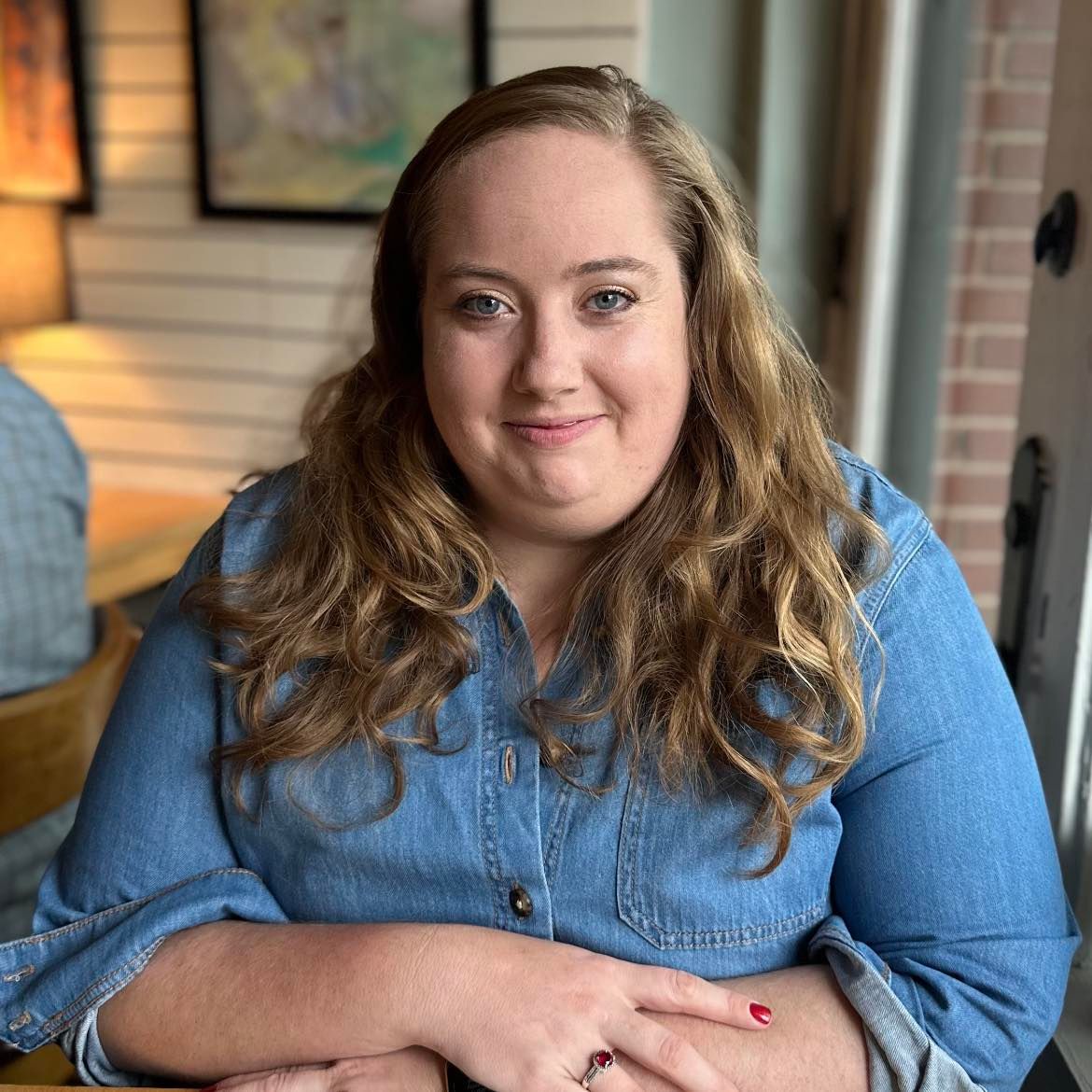
Samantha Harrison is the founder of Momentum Family Strategies™ and a disability services consultant with 13+ years of experience helping Kentucky families access Medicaid waivers, build self-directed support systems, and recruit caregivers who stay.
Her work centers on one mission: making sure families aren’t forced to navigate complex systems without support.
Too many people are left facing long waitlists, confusing rules, and life-changing decisions without the right support.
Samantha founded Momentum to change that.
About Momentum Family Strategies
At Momentum Family Strategies™, we help siblings and aging parents navigate Life After Mom & Dad™—bringing clarity, steady guidance, and practical next steps to families who’ve been trying to hold everything together alone.
How Momentum Helps
Our approach blends strategic navigation, hands-on support, and practical problem-solving so families can:
- Get straight answers instead of mixed messages
- Move forward with confidence instead of crisis
- Build support systems that last—before something urgent happens
When the stakes are high, families deserve more than Google searches and guesswork. You deserve a partner.
If you’re ready for steady guidance, clearer options, and support that moves your family forward, we’d love to connect.